A Packed Weekend of Professional and Collegiate Sports Dominates the Television Landscape

The convergence of the WNBA postseason, a critical juncture in the NFL regular season, and a high-stakes slate of college football matchups creates a landmark weekend for sports broadcasting. As the television industry continues to navigate the transition toward hybrid streaming and traditional linear models, this weekend serves as a primary case study in how major networks utilize marquee events to anchor their programming schedules and drive viewer engagement. With the WNBA semifinals reaching a fever pitch and the college football hierarchy undergoing a significant stress test, sports enthusiasts face an unprecedented volume of high-quality content across both terrestrial and digital platforms.
The WNBA Semifinals: A High-Stakes Rematch
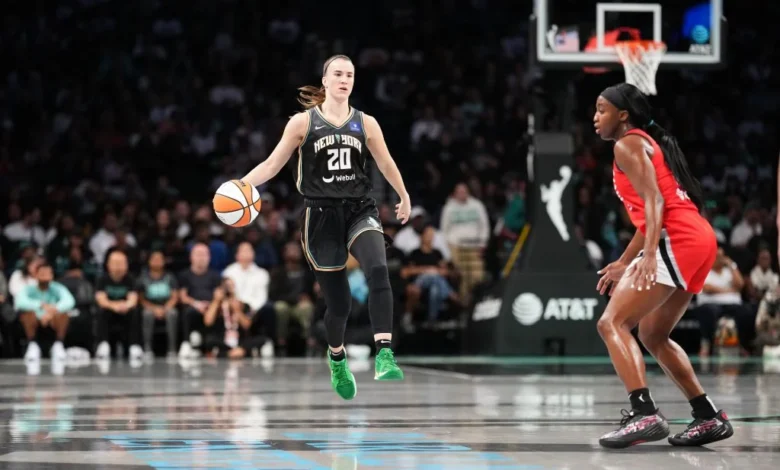
The WNBA postseason enters its most anticipated phase this Sunday as the league’s semifinal round tips off. The headline event is undoubtedly the rematch between the defending champion Las Vegas Aces and the New York Liberty. This series is a direct reprise of the 2023 WNBA Finals, which saw the Aces secure their second consecutive title. For the league, this series represents the pinnacle of its current growth cycle, characterized by record-breaking television ratings and a surge in attendance across all franchises.
The narrative arc of this series centers on the Liberty’s pursuit of redemption against a Las Vegas roster that has remained the gold standard of professional women’s basketball. Statistically, both teams finished at the top of their respective standings, reflecting a competitive balance that has driven fan interest to new heights. Meanwhile, on ESPN, the Connecticut Sun will face the Minnesota Lynx. The Sun, long considered a defensive juggernaut, will test the offensive fluidity of a Lynx squad that has surprised many analysts with its resilience throughout the regular season. This double-header on Sunday serves as a strategic cornerstone for ESPN and ABC, positioning the league’s stars—such as A’ja Wilson and Breanna Stewart—in the center of the national sports conversation.
NFL Week 4: Setting the Tone for the Season
As the NFL enters Week 4, the sample size of the regular season has grown large enough to separate legitimate title contenders from those struggling with early-season inconsistency. The weekend’s slate features a blend of regional coverage on Fox and CBS, but the marquee broadcast arrives Sunday night. NBC’s Sunday Night Football will feature the Buffalo Bills against the Baltimore Ravens, a game with significant implications for AFC playoff seeding.
The Bills have started the season with high-octane offensive production, while the Ravens, despite an uneven start, remain one of the most physically imposing teams in the league. Analysis of the current standings indicates that this matchup could prove pivotal in late December when tie-breakers are finalized. Historically, games of this magnitude in September serve to solidify a team’s identity. NFL broadcasting executives have noted that the "Sunday Night Football" slot consistently captures the largest non-holiday television audiences, making this game the focal point of the weekend’s sports consumption.
College Football: The Top 10 Gauntlet
The collegiate gridiron hosts a weekend of historic proportions, with several top-10 teams facing opponents that could drastically alter the trajectory of the College Football Playoff rankings. The most anticipated game is the showdown between second-ranked Georgia and fourth-ranked Alabama on ABC. This game is widely regarded as a litmus test for the new-look SEC, as both programs transition through periods of leadership change and roster turnover.
Simultaneously, top-ranked Texas hosts Mississippi State on the SEC Network, while third-ranked Ohio State battles Michigan State on Peacock. The inclusion of the Ohio State game on a streaming-exclusive platform like Peacock underscores the aggressive strategy of major media conglomerates to migrate high-value live sports content to subscription-based services. Other critical matchups include:
- No. 6 Ole Miss vs. Kentucky (ABC)
- No. 8 Oregon vs. UCLA (Fox)
- No. 9 Penn State vs. Illinois (NBC)
- No. 10 Utah vs. Arizona (Fox)
The sheer volume of top-tier college football matches necessitates a fragmented viewing experience for fans, who must navigate between cable, network television, and digital streaming platforms to track the progress of the nation’s best teams.
Global Sports and Niche Professional Leagues
Beyond the American-centric major leagues, the weekend offers a diverse array of professional sports coverage. The Presidents Cup remains the focus of the golfing world, with NBC and the Golf Channel providing final-round coverage. The tournament, which pits the United States against an international team, continues to be a staple of the autumn sports calendar, offering a unique team-based format that distinguishes it from the standard stroke-play events of the PGA Tour.
On the track, NASCAR enters the penultimate stages of its season with the Xfinity Kansas Lottery 300 on Saturday and the Cup Series Hollywood Casino 400 on Sunday. Both events are critical for drivers looking to secure their positions in the playoffs. Furthermore, the international appeal of soccer remains a consistent draw. USA Network and Peacock will provide extensive Premier League coverage, catering to the growing domestic audience for English football. The NWSL also sees significant action, with CBS broadcasting the NJ/NY Gotham FC-Kansas City matchup, while Ion continues its partnership with the league by airing the Houston-Orlando contest.
Industry Implications and Strategic Broadcasting
The orchestration of this weekend’s sports programming reflects a broader shift in the media landscape. Networks are increasingly relying on live, unscripted sports to maintain audience retention in an era where appointment viewing for scripted television is in decline. By clustering these events, broadcasters are creating a "destination viewing" experience that keeps audiences tuned into their platforms for the duration of the weekend.
Industry analysts suggest that the rise of digital-first streaming for major sports—as seen with the Peacock and ESPN+ integrations—is no longer an experimental venture but a core revenue strategy. The integration of high-stakes college football and professional matches onto these platforms forces a change in consumer behavior, requiring fans to manage multiple subscriptions to follow their teams.
Data Trends and Future Outlook
Recent data from the Nielsen ratings suggests that sports broadcasting remains the only segment of the television industry capable of delivering consistent, massive, and real-time viewership. With the WNBA playoffs and the NFL regular season overlapping, the competition for the "eyeball share" is at an annual peak.
League commissioners and network executives have remained optimistic regarding these numbers. A spokesperson for a major network noted earlier this week that the current density of live sports is a direct response to consumer demand for high-stakes content. As the season progresses, the ability to leverage these marquee events across social media, digital streaming, and traditional linear TV will define the success of the 2024-2025 broadcasting cycle.
A Weekend of Consequence
The upcoming weekend is not merely a collection of games, but a complex tapestry of professional sports, strategic broadcasting, and regional rivalries. From the high-intensity atmosphere of the WNBA semifinals to the strategic battles on the gridiron, the weekend provides a comprehensive look at the state of American sports. As the dust settles on Sunday night, the results of these matches will provide clarity for playoff races, national rankings, and the evolving power dynamics within the sports entertainment industry. Fans are advised to prepare for a viewing experience that demands high levels of engagement, as the outcomes of these 48 hours will undoubtedly influence the narrative of the sporting year well into the winter months.